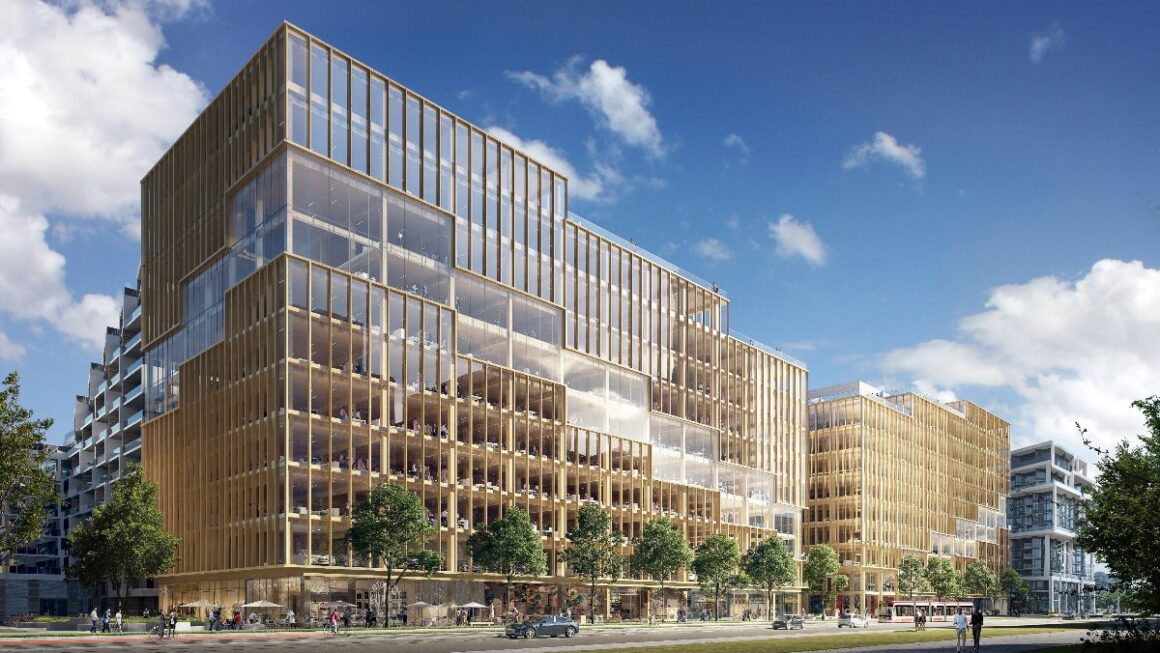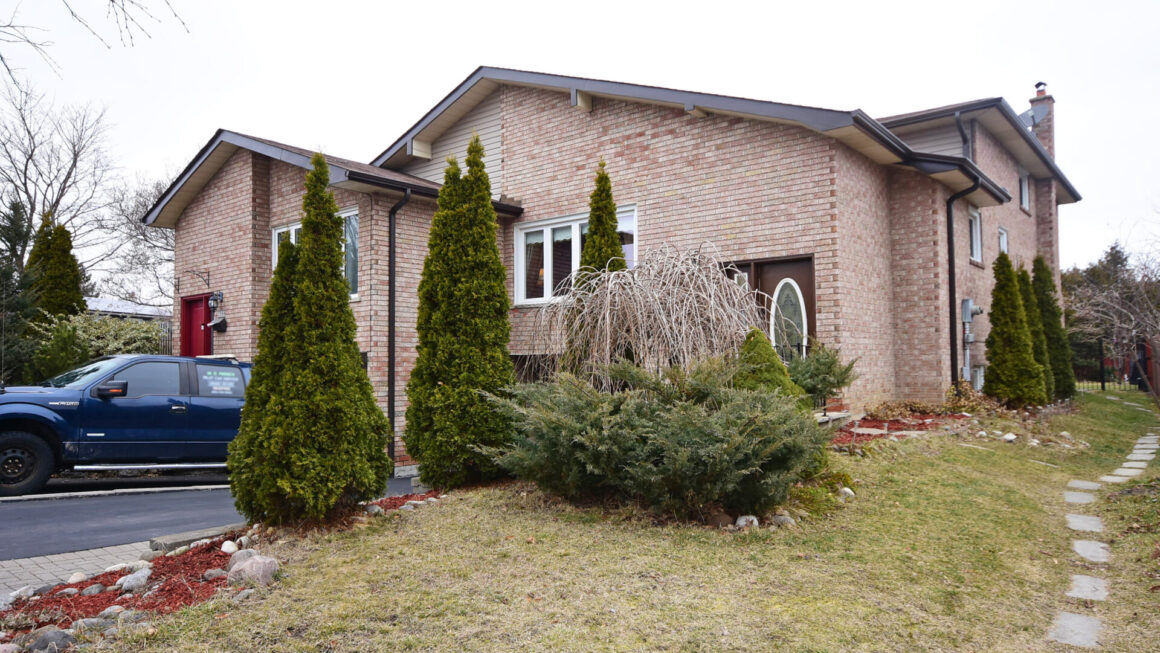

The Greater Toronto Area (GTA) housing market is currently undergoing a historic transformation. After years of record-breaking price growth and hyper-competitive bidding wars, the TRREB December 2025 report confirms that a significant “Affordability Shift” is underway. As we head into 2026, the market is no longer dictated by sellers, but is rebalancing in favor of those searching for the best mortgage rates in Ontario and long-term value.
The Numbers Behind the Rebalance
In December 2025, the average selling price in the GTA dropped to $1,006,735, representing a 5.1% year-over-year decline. This correction is even more visible when looking at the MLS Home Price Index (HPI) Composite benchmark, which fell by 6.3% compared to the previous year.
For investors looking for real estate investment opportunities in Toronto, this dip provides a lower entry point. Total sales for 2025 were down 11.2%, totaling 62,433 units, as economic uncertainty weighed on consumer confidence.
A Surge in Inventory: The Buyer’s Advantage
One of the primary drivers of this rebalancing is the massive surge in supply. By the end of December 2025, active listings climbed to 17,005, a staggering 17.5% increase over 2024.
With more homes on the market and fewer active buyers, the “scarcity premium” has vanished. TRREB CEO John DiMichele noted that this elevated inventory is “allowing for selling prices to be negotiated downward,” providing much-needed financial breathing room for families trying to meet their basic needs.
Navigating Mortgages and Interest Rates in 2026
While prices are falling, the cost of borrowing remains a critical factor for GTA households. As of November 2025, the Bank of Canada Overnight Rate sat at 2.3%, yet many consumers are still searching for the lowest mortgage rates in Canada to combat the rising cost of living.
Current benchmark rates (as of Nov 2025) include:
- 1-Year Mortgage Rate: 5.84%
- 3-Year Mortgage Rate: 6.05%
- 5-Year Mortgage Rate: 6.09%
For those looking to refinance a mortgage in Canada or secure a home equity line of credit (HELOC) in Ontario, these rates represent a stabilizing but still elevated environment. Many buyers are now consulting a top-rated mortgage broker in Toronto to navigate these “long-term monthly mortgage payments”.
Regional Price Drops: Where is the Value?
The “Affordability Shift” is particularly visible in the suburban “905” regions, where price drops have outpaced the city core:
- 905 Detached Homes: Prices dropped 7.0% to an average of $1,239,882.
- 905 Condo Apartments: Saw a major 9.5% decline, bringing the average price down to $555,110.
- City of Toronto (416) Condos: Dropped 7.2% to an average of $663,227.
This regional data suggests that for those interested in commercial real estate in Toronto or first-time residential purchases, the outskirts of the GTA currently offer the most significant negotiating power.
Economic Headwinds and the Path to Recovery
TRREB Chief Information Officer Jason Mercer pointed out that Toronto’s unemployment rate sat at 8.7% in October 2025. This economic reality, combined with 2.2% inflation, has made consumers more cautious.
However, TRREB President Daniel Steinfeld believes the market is “set up for recovery”. As mortgage rates trend lower and selling prices become more accessible, the “pent-up demand” that has built up over the last year is expected to flood back into the market once employment confidence stabilizes.
Is 2026 Your Year to Buy?
The 2025 year-end data confirms a market in transition. With Listing Days on Market (LDOM) up to 41 days (a 13.9% increase), buyers have the time and leverage they have lacked for a decade.
Whether you are looking for private mortgage lenders in Toronto to fund a fix-and-flip or are a first-time home buyer in Ontario taking advantage of the $1.0M average price, 2026 is officially the year of the “Affordability Shift.”