Canada’s financial heavyweights have officially closed ranks. With BMO confirming its partnership on Wednesday, all of the “Big Six” Canadian banks are now formally backing the proposed Defence, Security and Resilience Bank (DSRB).
The move signals a unified front from Canada’s banking sector in support of a new multilateral institution designed to transform how democratic nations fund their military readiness. BMO joins RBC, TD, Scotiabank, CIBC, and National Bank, alongside global giants like JPMorgan and Deutsche Bank, in the DSRB Development Group.
How the “Military World Bank” Works
The DSRB is spearheaded by NATO countries to solve a chronic problem: the high cost of borrowing for defence projects. Rather than a traditional bank that takes deposits, the DSRB acts as a multilateral credit enhancer.
- Sovereign Ownership: Member nations act as shareholders, providing the initial equity.
- Commercial Synergy: Commercial banks (like the Big Six) perform the actual lending to defence firms.
- The Guarantee: Because these loans are backed by DSRB guarantees—fueled by the pooled credit strength of NATO allies, borrowing costs are significantly lower than standard market rates.
“We’re proud to support efforts that will strengthen Canadian and Allied defence and security sectors,” said Carrie Cook, BMO’s global head of investment and corporate banking.
The Race for 3,500 Jobs
While the banks focus on the balance sheets, four Canadian cities are locked in a fierce “bidding war” to host the DSRB’s global headquarters. The prize is a significant economic engine: an estimated 3,500 high-paying jobs in finance, research, and international operations.
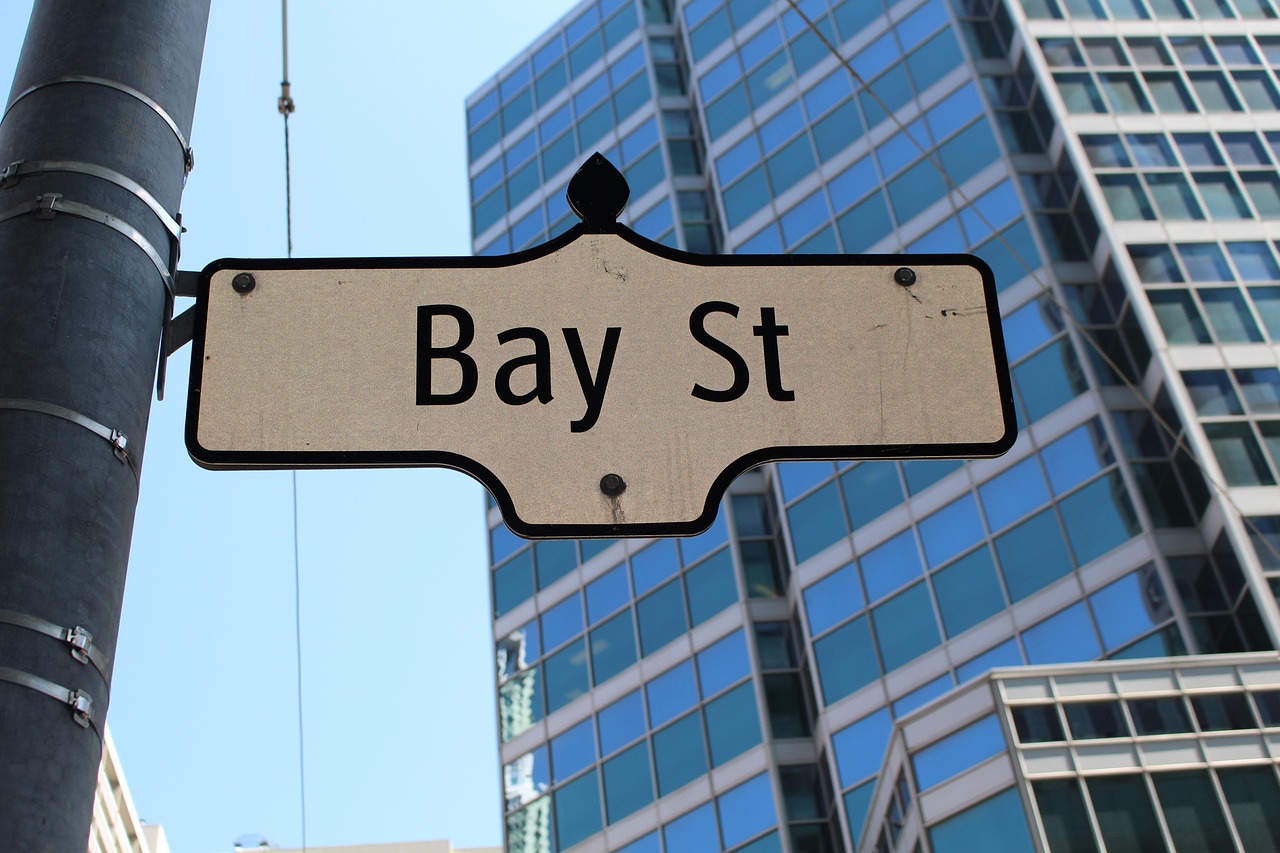
- Toronto: Pitching its status as North America’s second-largest financial hub. With the city’s unemployment rate sitting at 8.7%, local leaders are viewing the DSRB as a vital “re-employment” anchor for the downtown core.
- Montreal: Highlighting its aerospace cluster and “European-Northern” cultural fusion.
- Vancouver: Leveraging its Pacific gateway status and tech-heavy ecosystem.
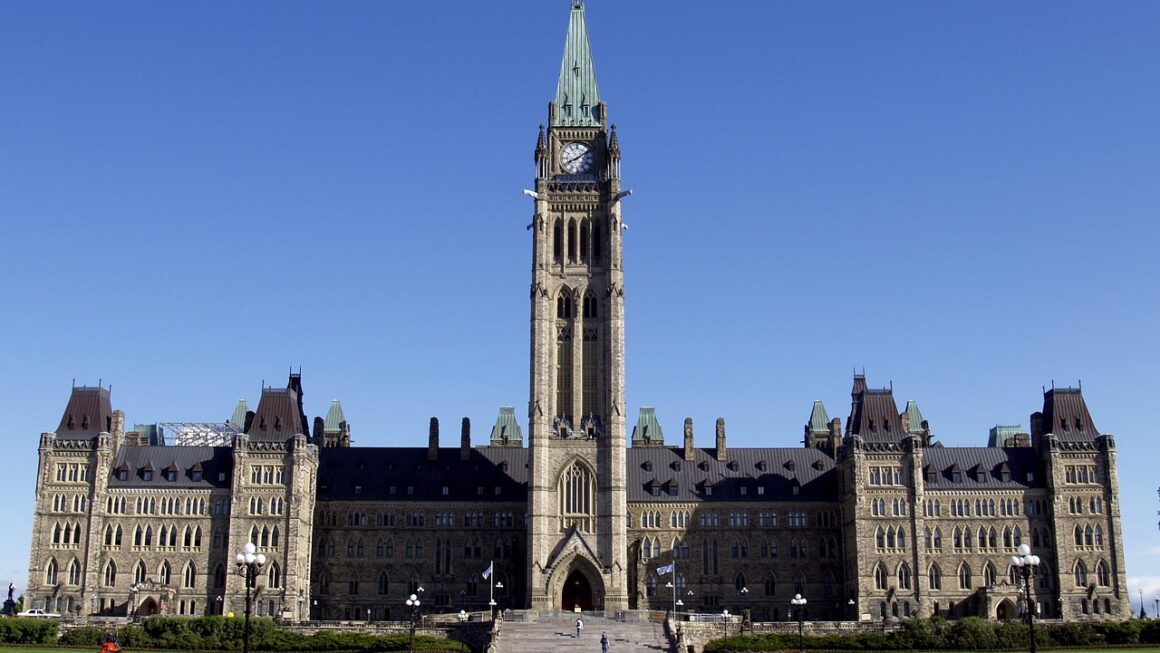
- Ottawa: Arguing that proximity to the diplomatic community and DND is essential for a World Bank-style institution.
The “Carney Commitment”
The rapid mobilization of the banking sector follows a series of bold defence pledges by the federal government. Finance Minister François-Philippe Champagne confirmed that Isabelle Hudon (CEO of BDC) is leading Canada’s international negotiations to finalize the bank’s charter.
The DSRB will be a critical tool for Canada to meet its escalating NATO obligations. Prime Minister Mark Carney committed Canada to reaching the 2% GDP defence spending target this year, with an ambitious roadmap to hit 5% by 2035. The DSRB is intended to be the financial backbone of that transition, ensuring the massive influx of spending doesn’t break the national budget.
What’s Next?
Charter negotiations are expected to wrap up by early spring. Once the host country and city are selected, the bank is projected to be operational by late 2026.