The headlines, for the first time in years, offered a glimmer of hope. Toronto’s housing market, long defined by relentless ascent, appeared to be capitulating to economic reality. The average selling price of a home across the Greater Toronto Area (GTA) retreated to 1,054,372 dollars in October 2025, representing a year-over-year decline of 7.2 percent.
This figure, broadcast across every news outlet, was meant to signal the return of sanity, a market correction that would finally welcome back the average, hardworking family.
For Aisha, an engineer, and Ben, a high school teacher, that 7.2 percent figure was the spark that reignited their dream of owning a home. For three years, they had saved diligently, watching their deposit grow but their purchasing power shrink.
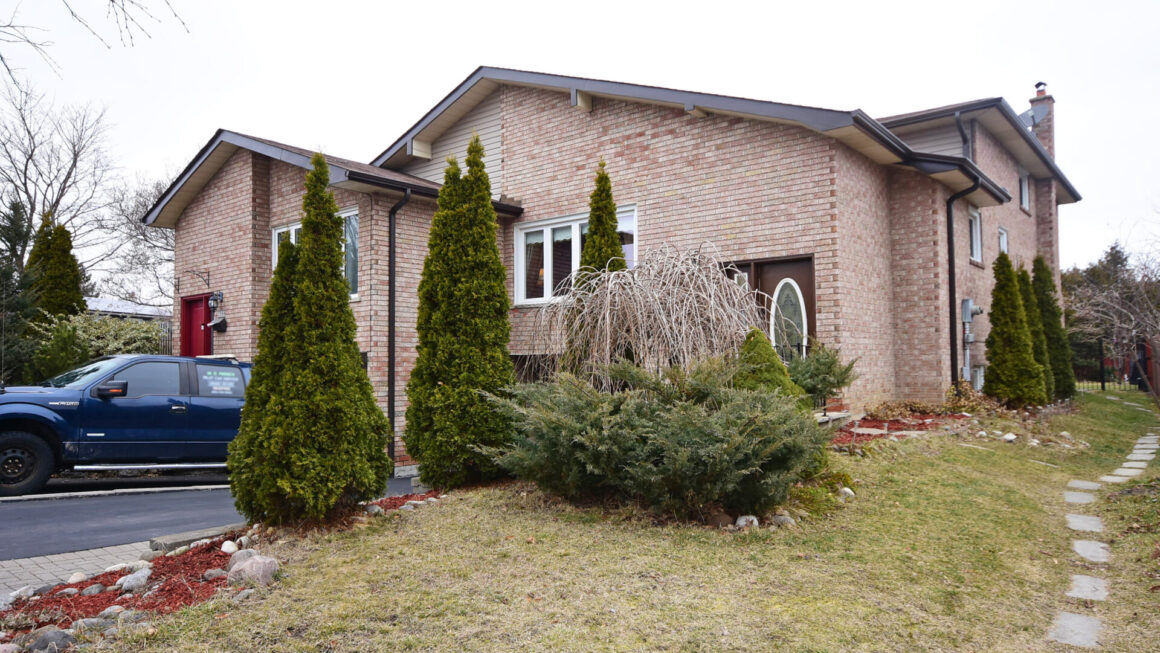
They weren’t looking for a million-dollar luxury home; their focus was the 900,000 dollar median price range, a townhouse or a semi-detached in the 905 region. They saw the price drop and thought, this is it, our moment has arrived.
But the 7.2 percent decline is not a victory for affordability; it is a statistical sleight of hand a cruel illusion woven from the threads of economic distress.
To truly understand why Aisha and Ben remain on the sidelines, one must look past the price tag and into the monthly cash flow, where the cost of money remains the unyielding gatekeeper.
The Crushing Weight of the 6.09% Rate
The primary antagonist in Aisha and Ben’s story is not a bidding war, but the bank. While the home price has corrected by 7.2 percent, the cost of borrowing has not. The average 5-year fixed mortgage rate sat stubbornly at 6.09 percent in October 2025.
The math is brutal. In the days of the market frenzy, a home in their target price range, say 900,000 dollars, might have come with an ultra-low rate, resulting in a manageable monthly payment. Now, that same 900,000 dollar median-priced home, even with the 7.2 percent price decrease factored into the market average, comes with a payment that, thanks to the 6.09 percent rate, consumes a disproportionate amount of their household income.
The price reduction has been wholly negated by the interest rate hike, leaving their actual monthly financial obligation higher than they can comfortably bear, especially when they factor in unexpected life events. The total capital saved by the price drop simply vanishes into the interest portion of the loan.
Ben looked at the figure and realized: they are not being priced out by the seller anymore; they are being priced out by the central bank.
9.5% Sales Collapse: The Story of Market Paralysis
The market’s deep freeze is further evidenced by a severe contraction in activity. Home sales in October plummeted by 9.5 percent year-over-year. This is not a healthy, managed cooling; it is paralysis, and its cause is rooted not in real estate, but in the broader economic climate.
Aisha’s anxiety is palpable. She works in a sector where news of economic headwinds is frequent. The Real GDP growth rate sat at a deeply concerning negative 1.6 percent in the second quarter of 2025, signaling a shrinking national economy.
This is not just a dry number; for Aisha, it means job cuts are a continuous risk. Simultaneously, the Toronto unemployment rate was reported at 8.9 percent. Ben’s teaching job is secure, but his brother, an IT professional, was recently laid off, falling into that 8.9 percent statistic.
For Aisha and Ben, the decision to commit to a 6.09 percent mortgage on a 900,000 dollar asset requires profound, long-term confidence in the economy a confidence that is completely absent when facing a negative 1.6 percent GDP and an 8.9 percent unemployment figure that has touched their family.
They know that purchasing a home in this environment would be leveraging their entire future against a highly uncertain economic backdrop. They are not waiting for prices to drop further; they are waiting for stability to return.
The Paradox of Supply: 17.2% More Choice, No More Confidence
On the surface, other metrics appear to heavily favor buyers. Active listings in October surged by an extraordinary 17.2 percent year-over-year, pushing the months of inventory up to 4.7 for all TRREB areas. This explosion of choice means the market has definitively swung away from a frenzy.
Homes are now sitting for an average of 31 days, giving buyers ample time to conduct inspections and negotiate firm, below-asking deals.
This is where the human storytelling becomes critical. While a professional analyst sees 4.7 months of inventory as a favorable signal, Aisha and Ben see the 17.2 percent surge in listings as a sign of distress. They wonder: why is everyone listing their homes now?
They fear that many of these new listings are not just from routine movers but from “panic sellers”, owners buckling under high variable-rate mortgages, facing job losses, or simply capitulating to a stagnant market. The increased supply, therefore, does not inspire confidence; it fosters deep suspicion and a fear of catching a falling knife.
Furthermore, the 7.2 percent average price decline is driven disproportionately by the most expensive segment of the market, the segment they couldn’t afford anyway. The average detached home price in the GTA, sitting at 1,355,506 dollars, saw a significant year-over-year price decrease of 7.3 percent.
Conversely, the more accessible condo apartment segment, the true entry point for many first-time buyers, experienced a far smaller correction of 4.7 percent, stabilizing at an average price of 660,208 dollars.
The largest price savings are occurring in the parts of the market that are financially out of reach for Aisha and Ben. The meager savings in the condo market are not enough to offset the crippling effect of the 6.09 percent mortgage rate on their 900,000 dollar target price.
The illusion holds: the rich get a steeper discount on their luxury asset, while the average buyer remains locked out by the cost of debt.
The solution to the affordability crisis lies not in modest price corrections that are immediately swallowed by high interest rates, but in a return to macroeconomic stability.
Until Aisha and Ben feel secure in their jobs until the 8.9 percent unemployment rate recedes and the -1.6 percent GDP threat disappears and until the 6.09 percent interest rate substantially declines, the 7.2 percent price drop will remain an academic statistic.
It is the illusion of affordability, offering a lower sticker price while ensuring the financing costs remain prohibitive, keeping the aspiring homeowner firmly locked outside the GTA’s gated community.